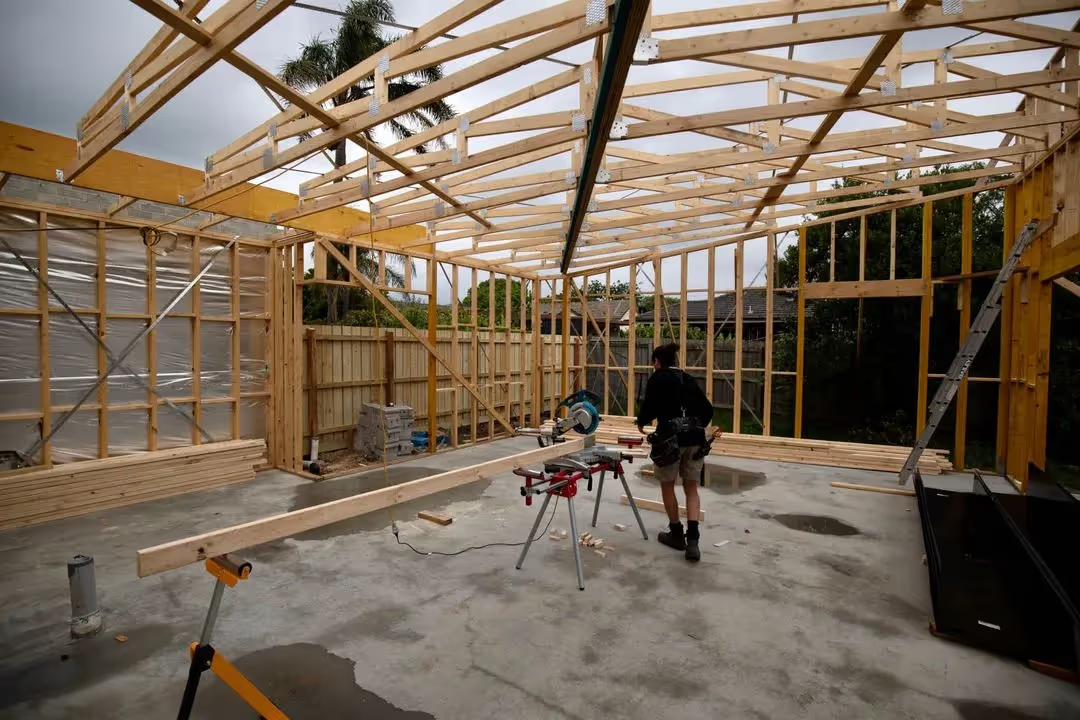
The Paper Problem
Construction has historically been one of the most paper-heavy industries. Site diaries, induction forms, SWMS, inspection checklists, injury reports — the volume of documentation is substantial. With paper comes a host of practical problems: documents can be lost, damaged by weather, or difficult to locate in filing cabinets when a regulator requests them.
of construction businesses in Australia employ fewer than 20 people, so the safety paperwork usually lands on a small team. [5]
Digital Advantages
Digital documentation offers practical benefits. Documents are searchable, organised automatically, accessible from anywhere, and backed up securely. When a regulator asks for a specific SWMS or induction record, you can retrieve it promptly rather than searching through physical files.
Making the Switch
The transition from paper to digital doesn't have to happen overnight. Start with your most time-consuming process — often SWMS collection or site inductions — and digitise that first. Once your team sees the practical benefits, adoption of other digital tools tends to follow naturally.
Real-World Impact
Master Builders Australia has highlighted the need for practical support tools for small construction businesses, noting that overly burdensome administrative processes can detract from actual safety management. [1][2] Digital documentation tools aim to reduce that administrative burden while maintaining thorough records.
Getting Started
If you're still running a paper-based system, digital tools like BuilderShield can help streamline the process. BuilderShield offers a 14-day free trial with no app download required — your subbies and workers can start using it immediately through any mobile browser.