What Is a SWMS in Construction? Builder Guide + Compliance Basics
Learn when a SWMS is required, what to include, and how builders can manage SWMS records without admin overload.
BuilderShield19 March 2026
SWMS Definition
A Safe Work Method Statement, or SWMS, is a document used in construction to describe high-risk work activities, the hazards involved, and the controls used to reduce risk. It is a planning and communication tool, not just a form to file away. [1]
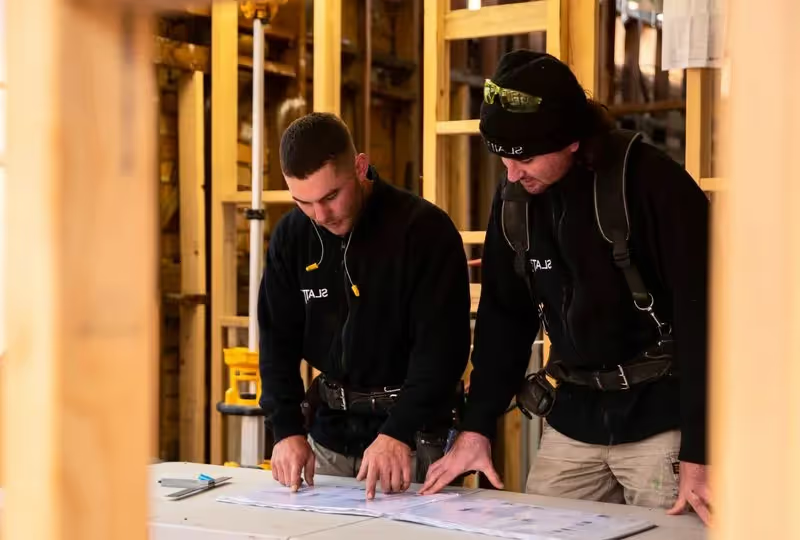
Practical SWMS planning starts with clear communication before high-risk work begins.
When a SWMS Is Required
A SWMS is required before high-risk construction work begins. Safe Work Australia identifies specific high-risk categories, including work at heights, near energised services, in or near trenches, and other activities with elevated safety risk. [2][3]
What a Good SWMS Includes
A strong SWMS clearly sets out the task steps, the hazards in each step, control measures, required competencies, and how controls will be monitored. It should be readable on site and specific enough that workers can apply it to real conditions.
Builder and Contractor Responsibilities
Contractors preparing SWMS must ensure it reflects the actual work they will perform. Principal contractors and PCBUs must ensure SWMS are obtained and work is carried out in line with them. Workers should be consulted and instructed so controls are understood in practice. [1][3]
Practical SWMS Management
For most builders, the challenge is collection and record management. A digital SWMS portal can simplify this by letting contractors upload or complete SWMS online and storing records by project for faster review, audits, and follow-up. If you are setting this up now, review the BuilderShield SWMS portal for builders.